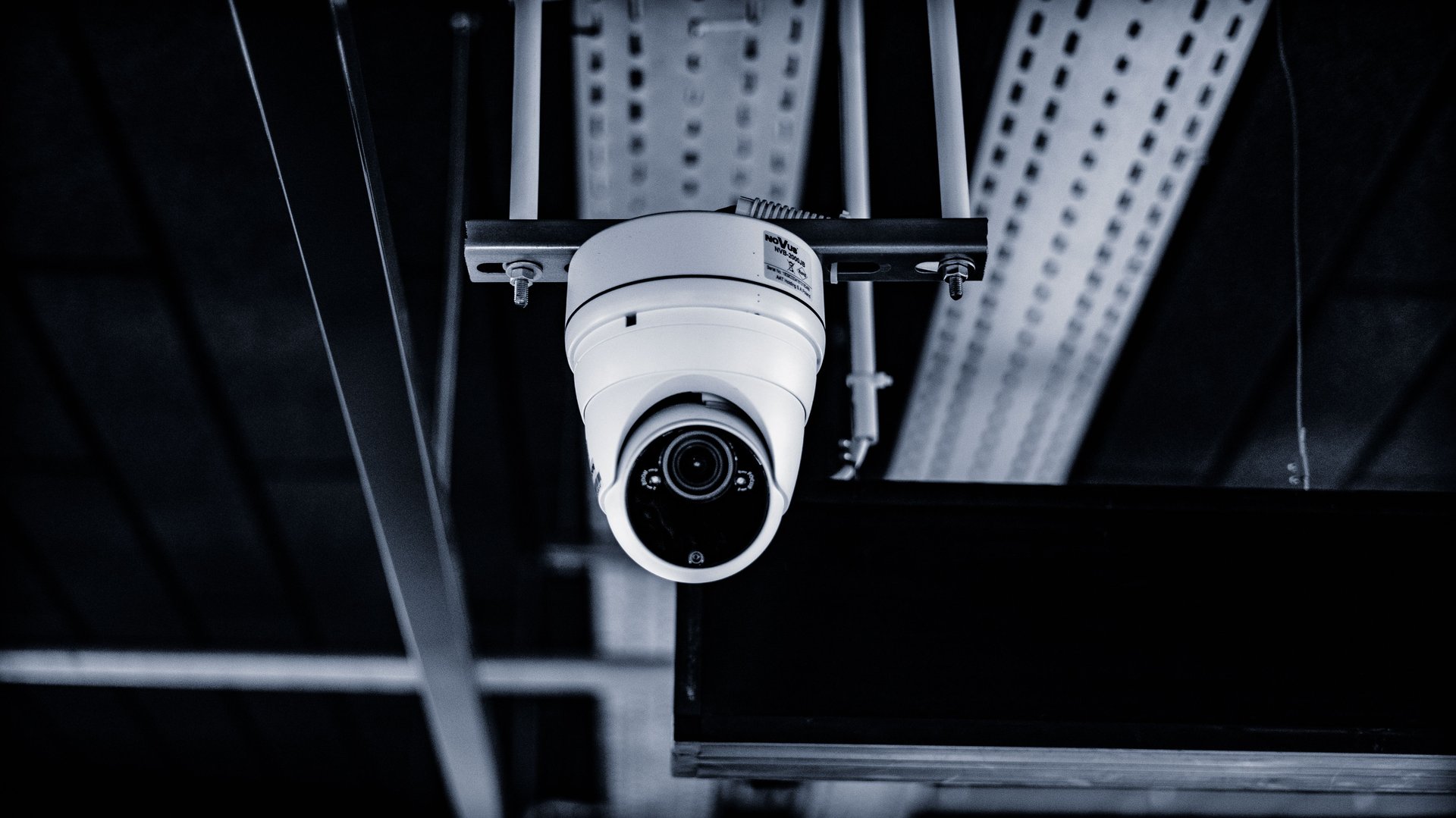
LG Uplus, SK Shieldus, and KT Telecop are selling you Dahua. They just do it in Korean.
On September 23, Representative Kang Myoung-gu (People Power Party) disclosed that 1,359 CCTV cameras operated by South Korea’s National Police Agency lacked TTA security certification: 385 were Chinese-made, more than half Hikvision [1]. A Chosun Ilbo investigation identified that LG Uplus, SK Shieldus, and KT Telecop sell Dahua and Hikvision products to enterprises and government accounts in Korea [1]. LG Uplus is South Korea’s second-largest mobile carrier (18.411M subscribers Q4 2023) and a subsidiary of LG Corporation — the same corporate family with operations in Mexico via LG Electronics, LG CNS, and LG Innotek [5]. In 2024, more than 1,300 Chinese-made cameras were removed from frontline South Korean military units [1].
The price gap explains the motive: manufacturing one camera in China runs 50,000 KRW ($37 USD); in Korea, 130,000-180,000 KRW ($96-$132 USD) [1].
In parallel, the global supply chain has been tightening for years. The FCC has kept Hikvision and Dahua on its Covered List since March 12, 2021 [2]. NDAA Section 889 has barred them from US federal contracts since August 2019 (Part A — direct procurement) and extended the ban to federal contractors since August 2020 (Part B — use anywhere in the contractor’s business), including subsidiaries and affiliates [3]. On June 26, 2026 the FCC voted to close the pre-2022 legacy-stock loophole; the prohibition took effect July 16, 2026 [4].
( the Korean case is not isolated: Lorex and Amcrest in North America have historically been Dahua hardware under a different label [unverified] )
When a household-name conglomerate resells Dahua or Hikvision, the FCC/NDAA protections do not apply locally because the buyer is not the US federal government — yet the supply-chain attack surface travels through the SoC (the System-on-Chip from the original manufacturer, fused to the reseller’s firmware) [unverified]. Every RFP I review for tv4agent, the question that separates an auditable stack from a decorative one is no longer the logo on the box. It is the SoC inside it — verifiable by opening the camera and reading the die.
P.D. How many cameras in your next deployment can you physically open and verify the actual OEM SoC manufacturer? If the answer is “none,” your RFP is leaving a hole the size of the entire supply chain [unverified].
📰 Primary source: Chosun Ilbo English Sep 24, 2026. Cross-verified against FCC Covered List + NDAA Section 889 + FCC Public Notice DA 26-635. tv4agent analysis of supply-chain implications for LATAM RFPs.
Sources
[1] Chosun English — “Domestic Conglomerates Sell Chinese-Made CCTVs Amid U.S. Security Concerns”, Sep 24, 2026. https://chosun.com/english/industry-en/2026/09/24/I5PDSPQKJBG3TKWHADJ5JVPOKY — primary journalism investigation, Korean National Police Agency disclosure via Rep. Kang Myoung-gu.
[2] U.S. FCC — Covered List (Equipment and Services deemed national-security risk), accessed Sep 24, 2026. https://www.fcc.gov/supplychain/coveredlist — primary regulator, official list maintained under the Secure Networks Act.
[3] U.S. NDAA FY2019 — Public Law 116-92, Section 889 (2019-2020). https://www.congress.gov/116/plaws/publ92/PLAW-116publ92.pdf — primary statute, federal law.
[4] U.S. FCC — Public Notice DA 26-635 (Jun 26, 2026) closing the legacy-stock import loophole. https://www.fcc.gov/document/da-26-635 — primary regulator action, PS Docket No. 26-72.
[5] Wikipedia — “LG Uplus”, accessed Sep 24, 2026. https://en.wikipedia.org/wiki/LG_U%2B — tertiary reference, used only for corporate structure verification (LG Corporation ownership, KRX 032640 listing). [unverified]
⚠️ Single-source figures (Korean cost-gap 50,000 vs 130,000-180,000 KRW; 2024 military-removal of 1,300+ Chinese cameras) require independent corroboration before citing outside this post. Editorial framing sentences (P.D. recommendation, the supply-chain attack surface thesis) are author’s analysis from cited evidence, not direct claims.